
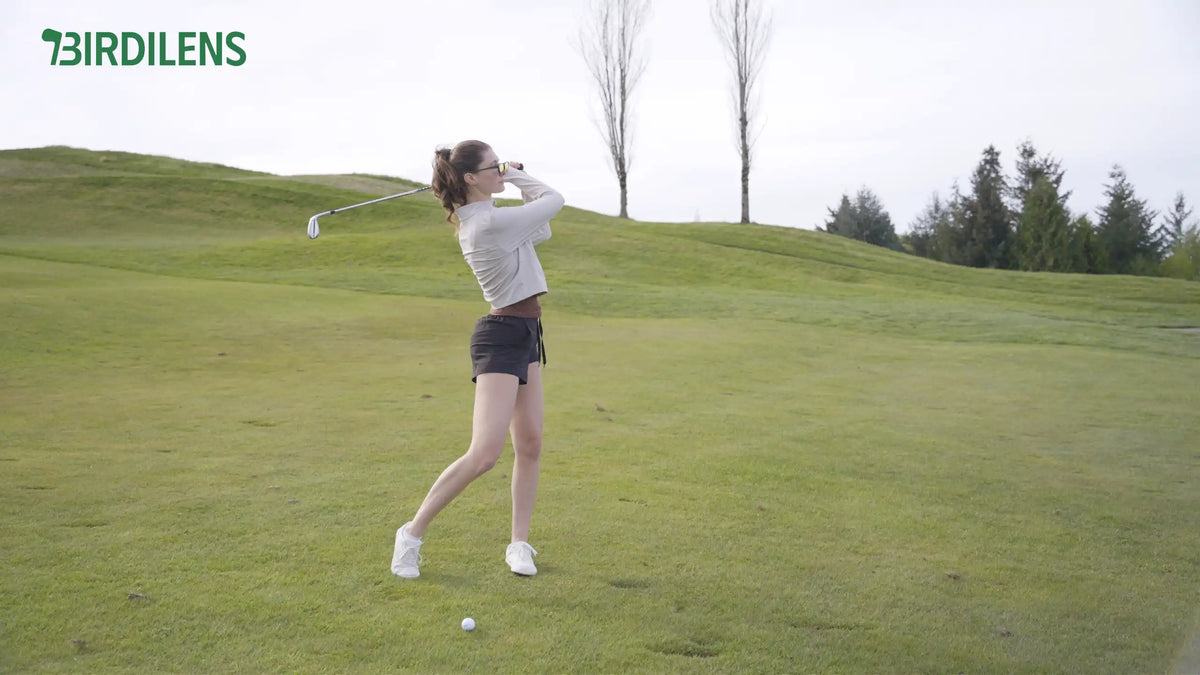
The club is in hand. The target looks right. Then the golfer steps over the ball and starts wondering.
Is it enough club? Is the wind stronger than it felt a moment ago? Should the target move farther left?
Nothing about the swing has changed, but the decision has reopened.
That is often what golfers mean when they say they did not commit to a shot. The problem is not always confidence. Sometimes the golfer simply started the swing before finishing the choice.
How do you commit to a golf shot?
To commit to a golf shot, finish the decision behind the ball. Read the shot, choose one club and a specific target, accept the normal miss and risk, then step in with one clear shot picture. If genuine doubt returns at address, step away and reset.
Why Golfers Second-Guess a Shot
Second-guessing usually means part of the decision is still open.
The golfer may be between clubs. The target may be a general direction rather than a specific part of the fairway or green. The aggressive option may have been chosen without fully accepting the trouble beside it.
This is different from simply feeling nervous. Golf confidence can change from hole to hole, but a clear choice can still be made without complete confidence.
Golf shots naturally involve incomplete information, which is one reason golf decisions can feel uncertain. Commitment begins when the golfer has enough information to choose without waiting for every doubt to disappear.
A Simple Commitment Sequence for Your Next Round
Commitment does not require a complicated mental routine. It requires a clear point where information stops and the decision begins.
Read the Shot Once
Distance, wind, lie, elevation, hazards, and pin position may all matter. The goal is to check what is relevant, not to keep reopening the same information.
A consistent golf pre-shot checklist can help organize that process. Once the information has produced a playable choice, checking the same yardage again rarely changes anything.
If the number is 152, the bunker carry is 145, and the wind is into the golfer, another look at the screen will not settle the shot. The decision has to move forward.
Choose One Club and One Target
A golfer cannot fully commit while keeping two clubs or two targets alive.
The target does not have to be the flag. It might be the left-center section of the green, a specific part of the fairway, or a clear start line from the tee. It only needs to give the shot a definite destination.
Choosing the right target for the shot happens before the golfer steps in. Once the club and target are settled, they should no longer be treated as open questions.
Accept the Miss That Comes With the Shot
Every shot choice comes with a miss.
Aiming at a tucked flag may bring a bunker into play. Choosing less club from the tee may leave a longer approach. Taking more club into the wind may bring the back of the green into the picture.
An acceptable miss does not guarantee a safe result. It means the golfer understands the likely downside and is willing to play the shot anyway.
If the normal miss still feels unacceptable, the decision is not finished. The club, target, or level of risk may need to change before the golfer addresses the ball.
Picture the Shot, Then Step In
Being able to see the shot before you hit it does not require an elaborate mental picture. It might be a start line, a familiar ball flight, or the section of the green where the ball should finish.
Its purpose is simple. It turns the club and target decision into one shot the golfer can recognize.
Once that picture is clear, the golfer can step in. This is where comparing clubs, recalculating yardage, and moving the target should stop.
The decision has been made. The swing now belongs to that decision.
What to Do When Doubt Returns Over the Ball
Doubt does not always disappear just because the golfer followed a good process.
The wind may change. The lie may look different from beside the ball. The selected club may suddenly feel wrong. When that happens, trying to solve the problem while remaining at address usually leaves the golfer caught between the original shot and a new one.
Stepping away creates a clean break.
The golfer can identify the actual question, settle it, and begin again. If the club changes, the target or expected miss may also need to change. If nothing has changed except a passing thought, the original decision may still be the best one available.
Stepping away is not a failure to commit. Swinging while the decision is still changing is.
Separate the Decision From the Result
A committed swing can still produce a poor shot. A hesitant swing can occasionally produce a good one.
That makes the result a poor test of commitment by itself.
After the shot, the more useful questions are whether the club and target were clear, whether the risk was accepted, and whether the decision stayed settled after the golfer stepped in.
A ball finishing in the bunker does not automatically make the choice wrong. The bunker may have been part of the accepted risk. A ball finishing close to the flag does not automatically make a doubtful decision good.
Keeping the decision separate from the result makes it easier to use the same process on the next shot instead of letting one outcome rewrite everything.
Try It With the Last Five Balls of Your Warm-Up
The last few balls before a round offer a simple way to test commitment without changing the swing.
Rather than hitting the same club repeatedly, choose a different target or shot for each ball. Finish the club and target decision behind the ball. Step in only when the choice feels settled. If doubt returns, step away and start again.
The five shots do not all need to be good.
The useful test is whether each ball had a clear club, target, and shot picture before the swing began. That is much closer to what happens on the course than hitting several balls toward the same open area.
How Clearer Shot Context Supports Commitment
Technology cannot commit to a shot for the golfer. It can make the information behind the decision easier to reach.
BirdiLens can bring pin position, hazard distances, target view, and current shot context together before the golfer steps in. That can reduce switching between tools while the club and target choice is still being made.
The value is not having more information to think about over the ball. It is reaching a clear decision with less friction.
Once the club and target are settled, the information has done its job. The final choice, accepted risk, and commitment still belong to the golfer.
Commitment Does Not Require Certainty
No process can guarantee a good result. Wind changes, contact varies, and golf balls do not always follow the picture a player had in mind.
Commitment simply keeps the golfer from choosing and swinging at the same time.
Read the shot. Choose the club and target. Accept the miss. Picture the shot. Then step in with the decision already made.
Frequently Asked Questions
How do golfers commit to a shot?
Golfers commit by finishing the club, target, miss, and risk decision before addressing the ball. Once they step in, they stop comparing options and swing to the shot they have already selected.
What should I do if I doubt my club at address?
Step away from the ball and settle the club choice again. Changing the plan while remaining at address often leaves the golfer caught between two shots.
How can I feel more confident before a golf shot?
A specific target, a club that fits the required carry, and an acceptable miss can make the shot easier to trust. Confidence does not have to come first. It often follows a choice that feels clear and playable.
Does committing to a golf shot mean swinging harder?
No. Commitment does not mean adding speed or effort. It means fully choosing the shot and allowing the normal swing to follow that decision.
Share:
Why Your Golf Distances Change From Day to Day
Why You Keep Leaving Putts Short